When you start tapestry crochet, the hard part is not the stitch: it is knowing where the yarn goes. With two colours, you simply carry the unused one behind the work. With three, you already have to decide when to cut. Here are six charts from our catalogue that never go beyond three colours, background included, and that I tested before publishing.
Three seasonal designs to start with
The spider, the anchor and the sun are our three newest charts. They are 15 to 17 stitches wide, about ten centimetres in DK cotton or acrylic. The shapes are bold and each colour sits in large blocks: you change yarn rarely, and you see at once whether your tension holds.
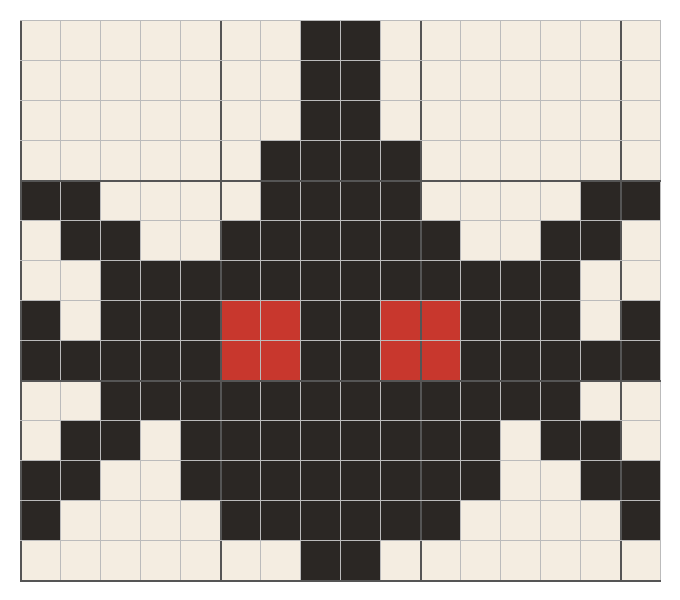
Spider crochet chart: free pattern
A black spider hanging from its thread, with two red eyes and eight spread legs, on an ecru background.
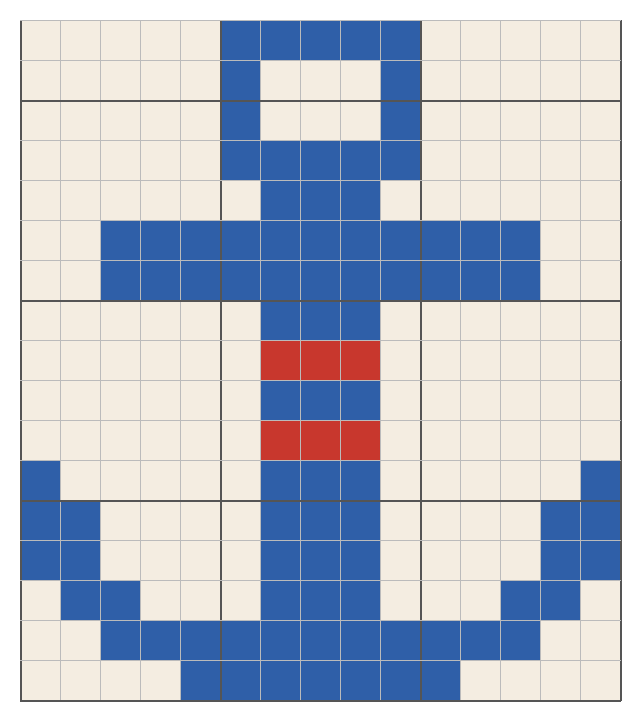
Anchor crochet chart: free pattern
A blue anchor with a ring, a crossbar and curved arms, with two red rope bands on the shank.
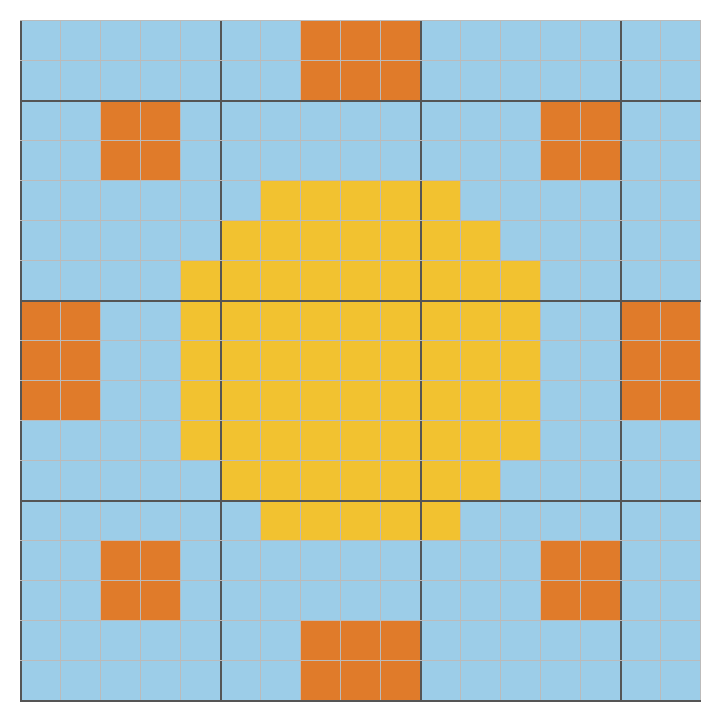
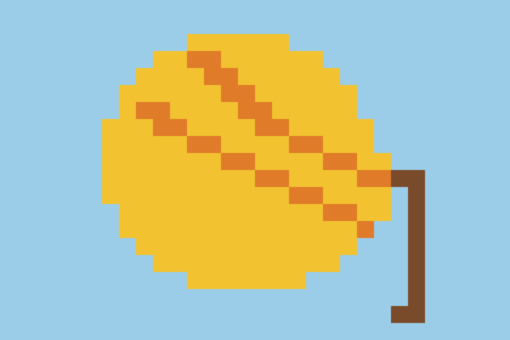
Sun crochet chart: free pattern
A round yellow sun surrounded by eight orange rays, on a sky-blue background.
Three classics to keep at hand
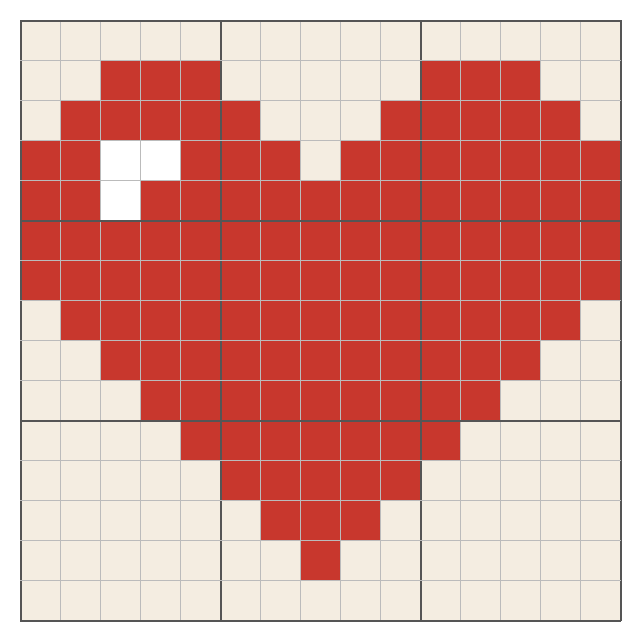
The ghost, the football and the Valentine heart are simple silhouettes, often the first ones you get right. The ghost mostly asks for evenness on the middle rows. The football teaches you to cut the black yarn cleanly between two patches. The heart is the quickest of the six: allow less than an hour. Work them in a row, one after the other, and you will feel your hands get quicker from one chart to the next, which is exactly what a first week of practice should feel like.
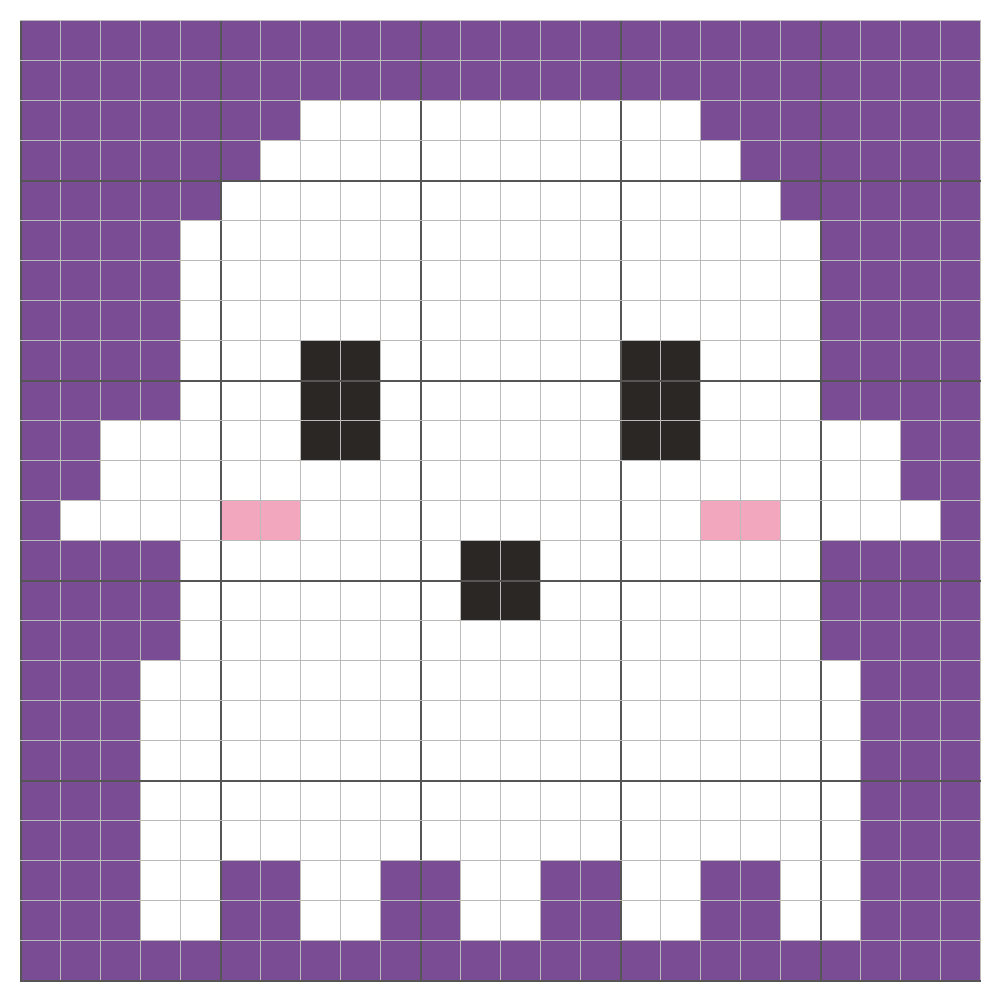
Ghost crochet chart: free pattern
A white ghost with outstretched arms, recognisable by its black eyes, O-shaped mouth and five-pointed hem on a plum background.

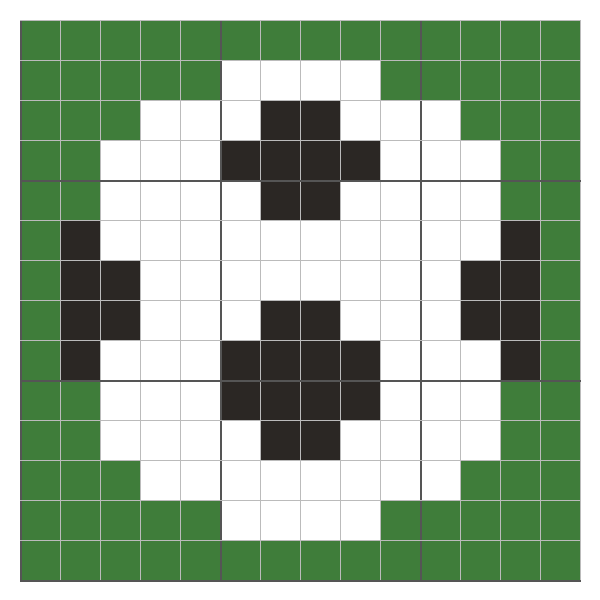
Football crochet chart: free pattern
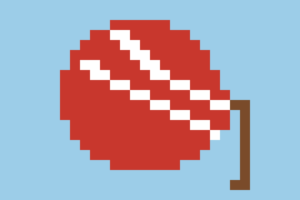
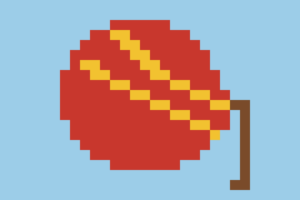
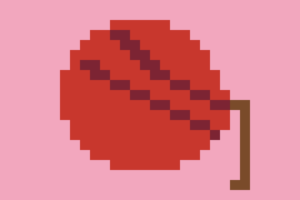
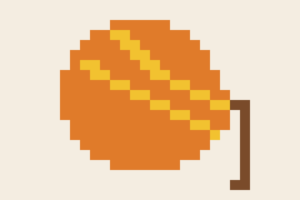
A black and white ball on green grass, in three colours.

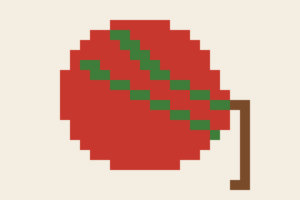
Valentine’s heart crochet chart: an easy pattern
A red heart with a white highlight, in three colours.
Carrying the yarn without pulling it
The basic move fits in one sentence: the colour you are not working with stays behind the work, and you cover it with the stitches of the active colour. As long as the float stays under four or five stitches, leave the yarn in place. Beyond that, cut it and pick it up further along: a long float catches on the hook and distorts the row.
Change colour on the last loop of the previous stitch, not on the next one: that avoids the small step you can see at the join. Always keep the same yarn on top, the background for instance, so the crossings happen on the same side. And tighten the first stitch after each change, since it tends to stay loose.
For your first piece, choose the chart with the fewest colour changes per row. The sun and the anchor suit it well. Leave aside, for now, the designs where a colour appears in isolated stitches.
The small kit that makes a difference
For these charts, a 3.5 mm hook with DK cotton gives a firm fabric that keeps its shape; a 4 mm hook with DK acrylic is softer and more forgiving. Pick a hook with a comfortable handle, since you grip hard in tapestry crochet. Have a look at some ergonomic crochet hooks, or DK cotton yarn in several shades. A set of stitch markers also helps you spot the start of the row.
If you then want a flower, the red tulip also stays within three colours. Every chart is read from bottom to top, one row out, one row back: read the row aloud before you crochet it, it is the best way to avoid frogging.
Amazon links are affiliate links: a purchase may earn us a commission at no extra cost to you.